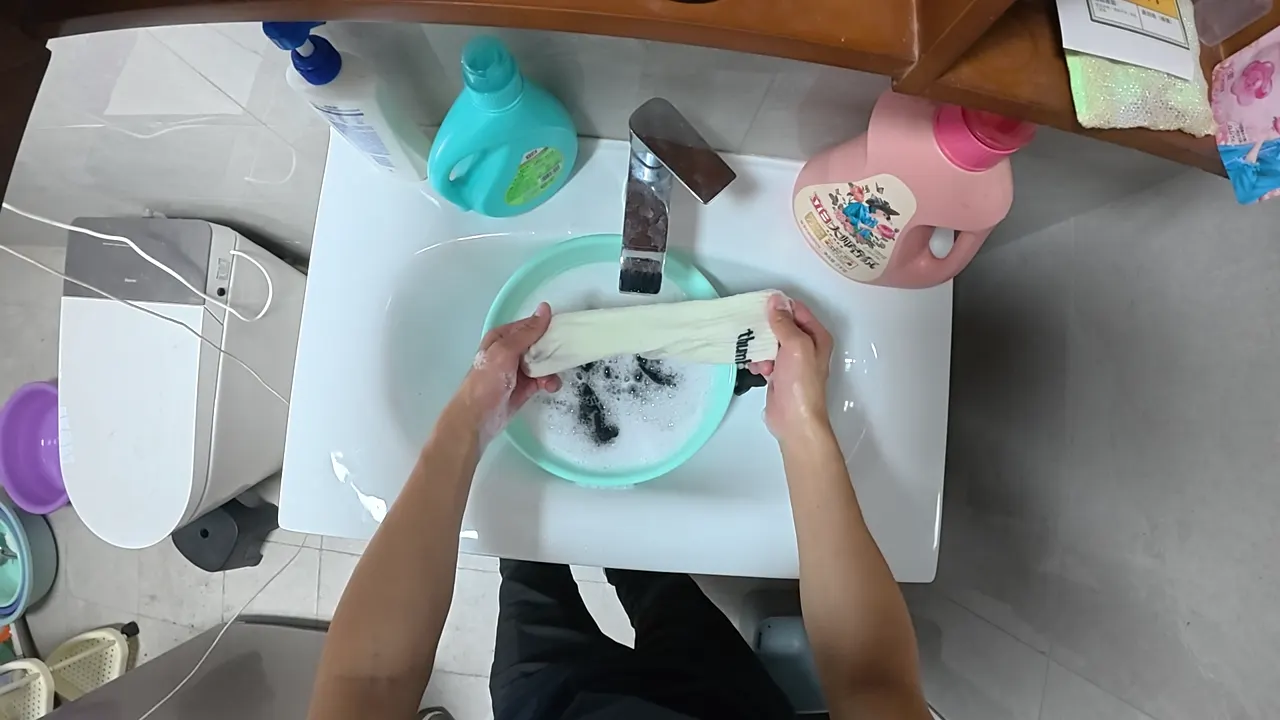
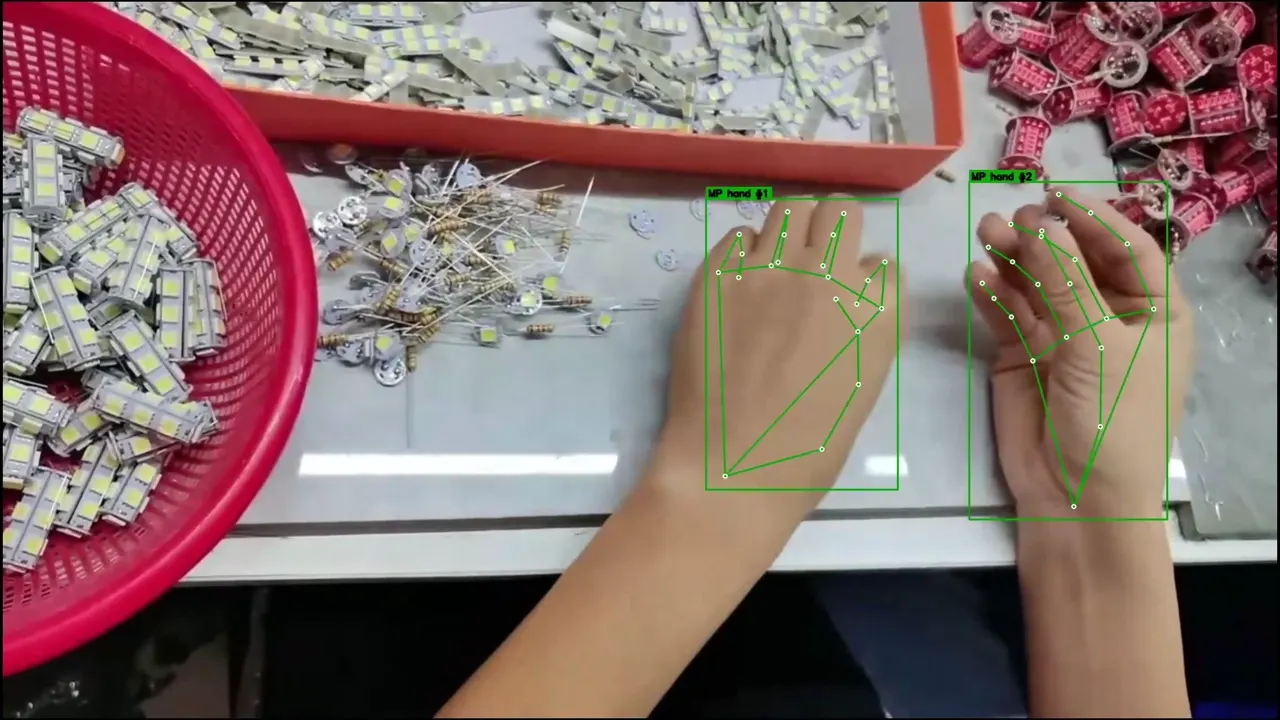
1. Is the inventory real?
Ask whether the hour count is audited stock or a projection. A vendor quoting 100,000 hours may have 20,000 recorded and 80,000 planned. Both can be fine — but you need to know which, because it changes delivery dates.
On DataClue every dataset is labelled verified, indicative or custom collection. Indicative counts are confirmed in writing in your quote before you pay.
2. Verify specs from samples, not brochures
Request a sample and check it yourself with ffprobe or a similar tool.
- Resolution and frame rate of the source files, not a re-encoded preview
- Capture device and mounting (head, chest, glasses)
- Session length — are sessions continuous or cut into clips?
- Extra streams: IMU, audio, depth, stereo
- Lens: fisheye footage needs calibration parameters
3. Read the licence like an engineer
The licence decides what you can ship. Clarify:
- Commercial training rights and whether model weights trained on the data can be sold
- Exclusive or non-exclusive, and for how long
- Territory, term and any field-of-use restrictions
- Redistribution — can you share with contractors or cloud labelling vendors?
- Consent and de-identification documentation for people in the footage
4. Price per usable hour
Compare prices on the hours you will actually train on. Long continuous sessions with hands in frame yield more usable data per paid hour than short clips with idle time. DataClue prices by scenario complexity — $35/hour for complex scenarios, $25/hour for standard — so you only pay the premium where the data is harder to collect.
5. Run a pilot
Start with a pilot order in one or two scenarios, train on it and measure the lift before scaling. A good vendor will scope a pilot without a long negotiation.
6. Share end use upfront
Our quote form asks for the end buyer and intended use. That is not a formality: it lets us check licensing conflicts (for example, an existing exclusive) before you spend time on evaluation.