Why egocentric video for embodied AI
Teleoperation produces the highest-fidelity robot data, but it is slow and expensive to scale across environments. Human egocentric video is the opposite: cheaper per hour and naturally diverse, because it is recorded wherever people already work.
Most robot learning teams combine both. A large egocentric corpus teaches priors about objects, hands and task structure; a smaller robot-specific set aligns those priors to an embodiment.
What we supply
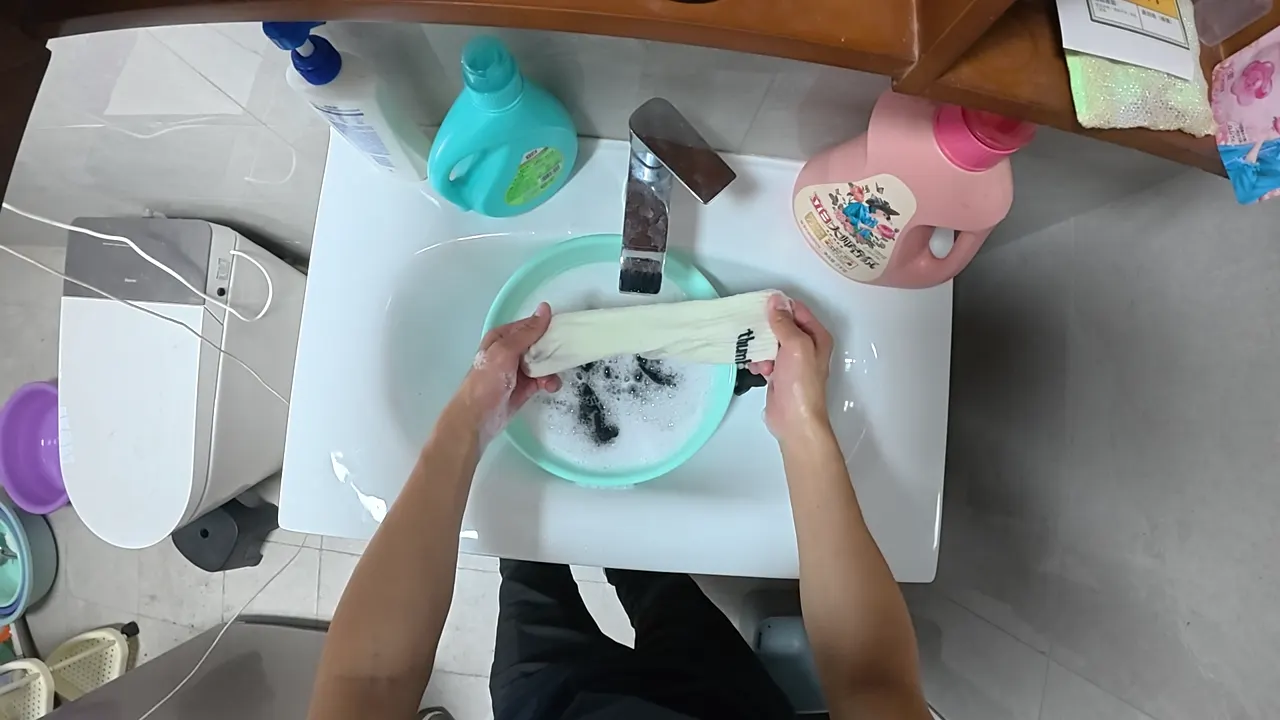
Every in-stock dataset is egocentric, recorded in real homes and workplaces, and licensable per hour.
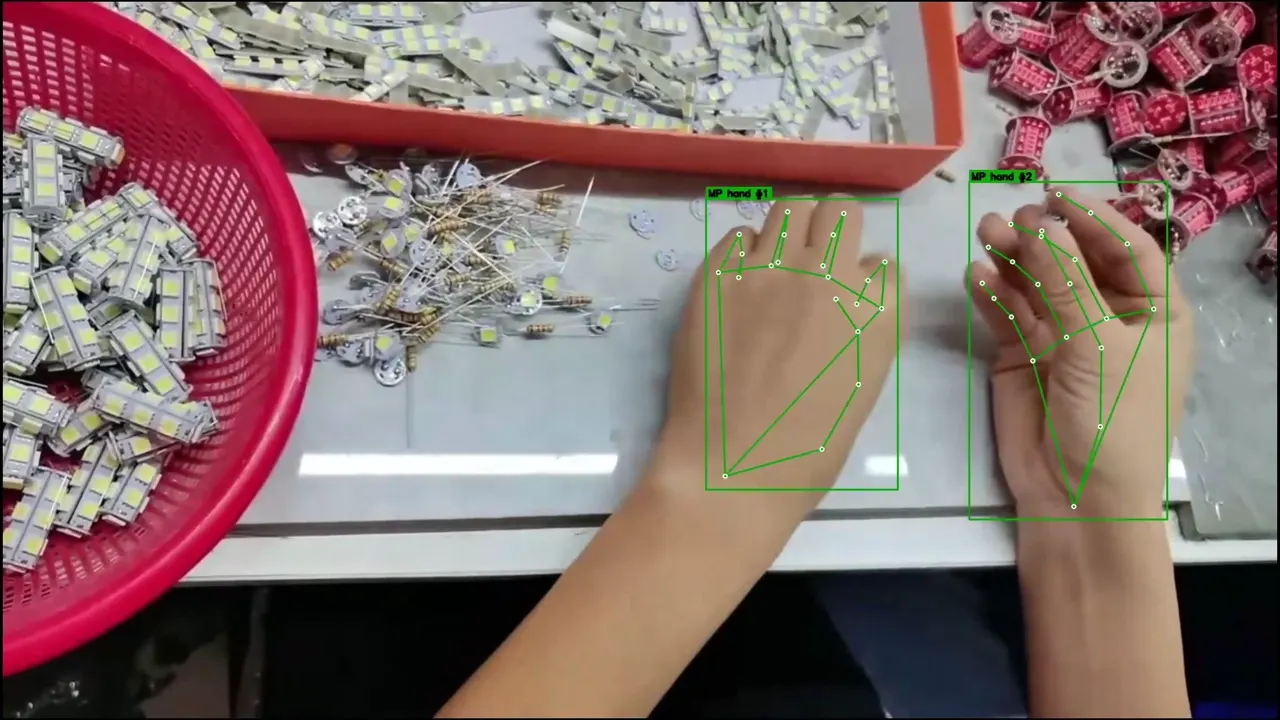
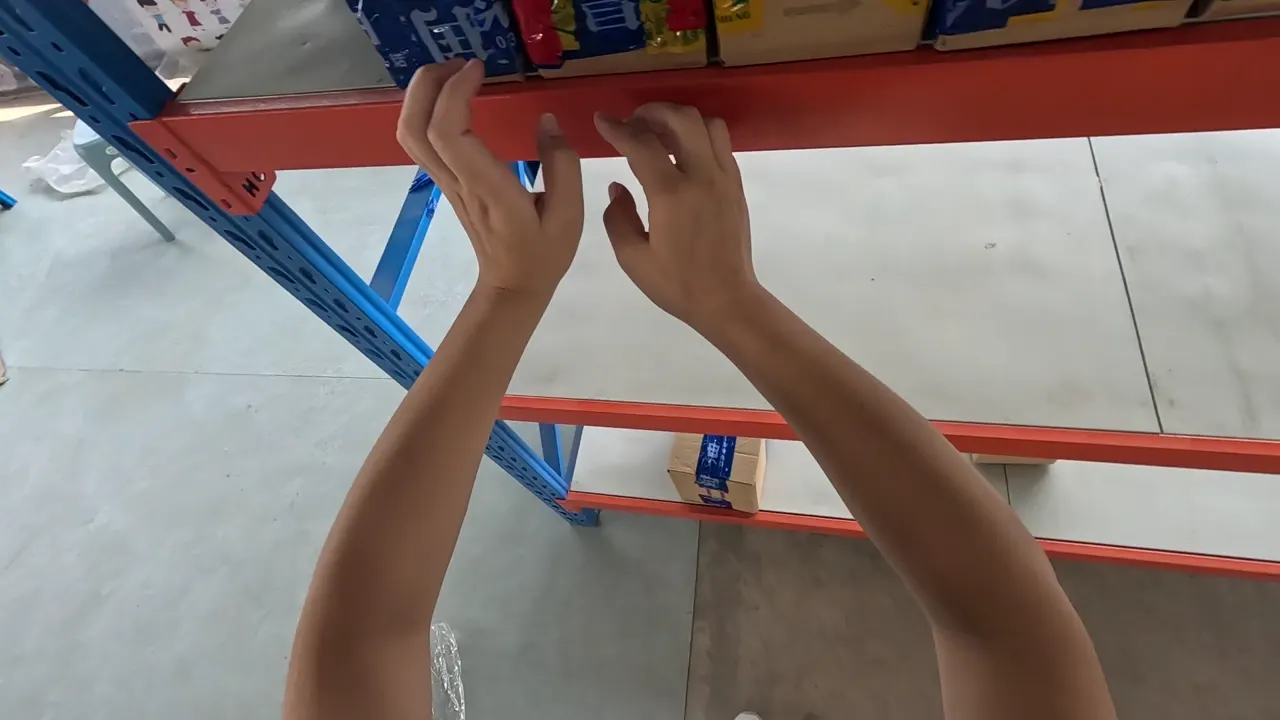
- Seven categories: manufacturing, household, warehousing and logistics, retail, food service, specialized operations and hospitality
- 1080p at up to 59.94 fps on most sessions, with embedded IMU on GoPro-captured footage
- Long continuous sessions — published samples run up to 19 minutes without cuts
- Optional 2D/3D hand-pose, action segmentation and narration annotation
- Custom collection for new environments and robot teleoperation
Typical use cases
- Vision-language-action (VLA) model pretraining
- Imitation learning from human video and cross-embodiment transfer
- Hand–object interaction, grasp and contact modelling
- Task-progress, success and failure detection
- Video-language datasets for robot task planning
Pricing
Raw video is priced per hour by scenario complexity: $35/hour for complex scenarios (tool use, deformables, precision assembly) and $25/hour for standard scenarios. Annotation and custom collection are quoted per project.