How it is captured
Common capture devices are head-mounted action cameras, chest mounts and smart glasses. Action cameras such as the GoPro HERO series give wide fields of view, high frame rates and embedded IMU. Smart glasses give a natural eye-level view with less bulk.
DataClue's catalog uses all three: GoPro HERO12/13 and DJI Osmo Nano action cameras, Meta smart glasses, and stereo rigs for 3D hand capture.
Why it matters for robotics
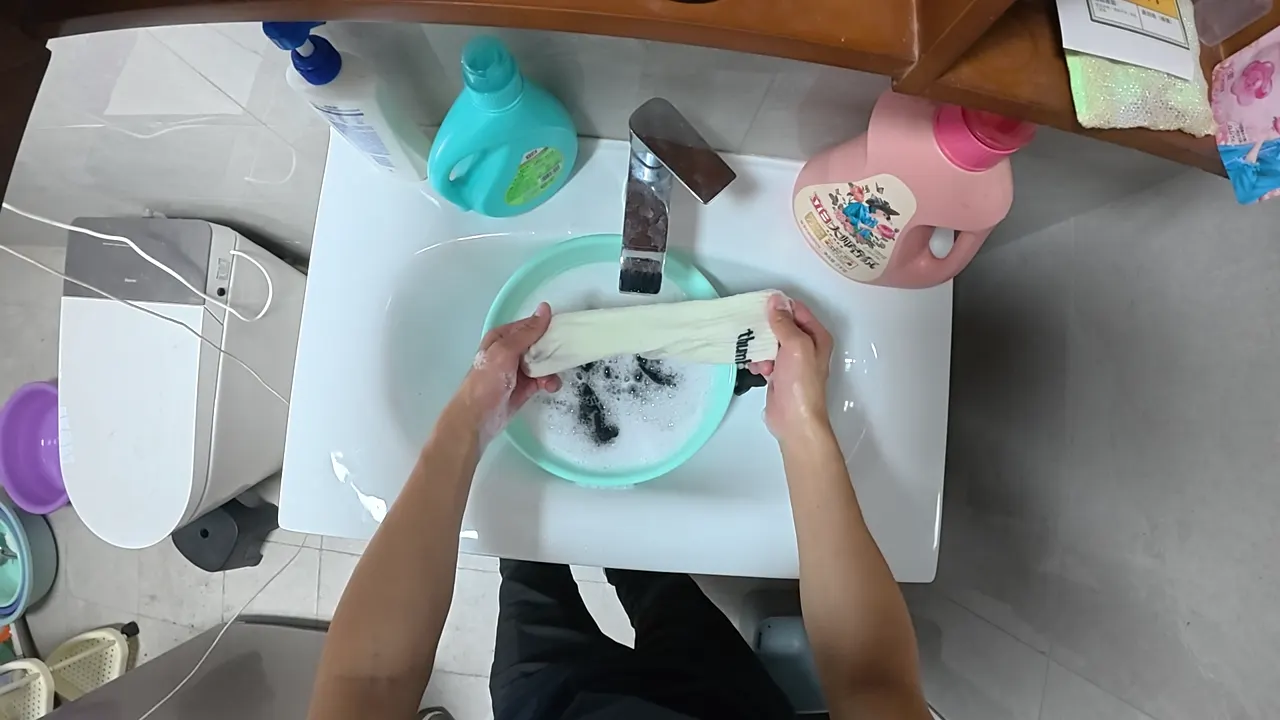
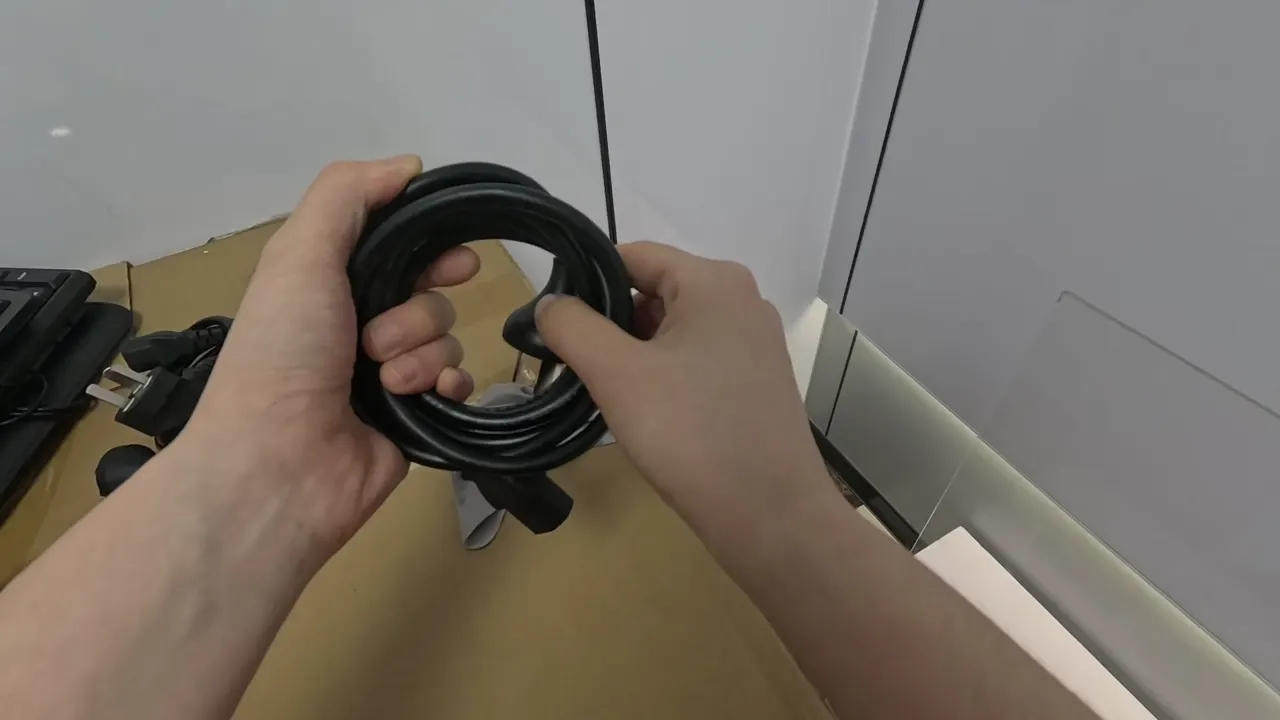
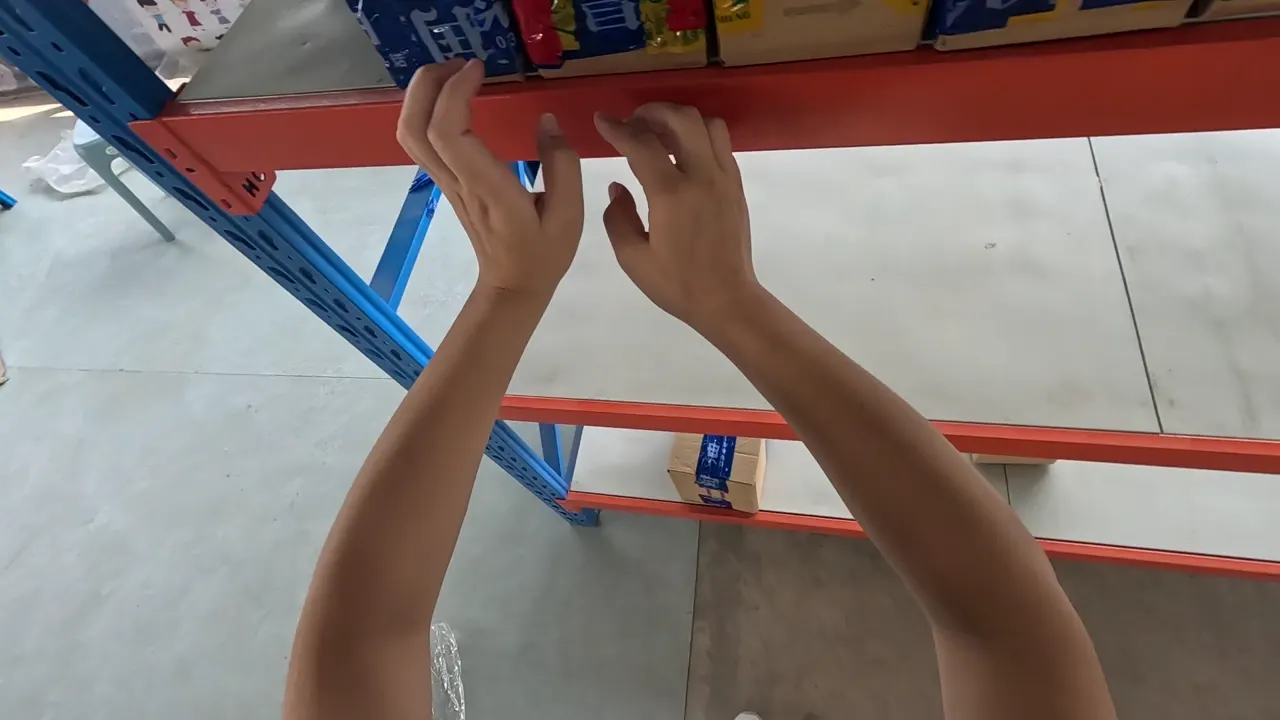
Third-person video shows what happened. First-person video shows what the actor saw while doing it — where they looked, how their hands approached an object, what was occluded. That viewpoint matches a robot's own sensors far better than a fixed camera on the wall.
- Hands and objects stay in frame through the whole interaction
- Camera motion encodes head and body movement
- Scale: people already do these tasks, so collection does not need a robot
Academic vs commercial datasets
Academic egocentric datasets such as Ego4D (about 3,670 hours) made the field possible, but research licences often restrict commercial use, and their size is small relative to what foundation-model pretraining consumes. Commercial catalogs like DataClue trade free access for scale, commercial licensing and custom collection.
What to look for in a first-person video dataset
- Real environments, not staged lab sets
- Long continuous sessions rather than trimmed clips
- Measured source specs: resolution, fps, device
- Clear consent and de-identification process
- A licence that allows commercial model training